The Hunt is on: A Designer's Review for Craft Fairs
As an experienced embroidery designer, I spend a lot of time evaluating digital assets before they ever hit the hoop. When I first looked at The Hunt is on, my immediate thought wasn't just about the holiday; it was about the marketability. In the world of craft fairs and handmade markets, a design needs to do more than just look cute in a thumbnail; it needs to grab attention from three feet away and translate perfectly into a tangible, high-quality finished product.
This playful digital embroidery design promises to add a fun touch to Easter projects, but let's be honest: the real test is how it performs when you are trying to sell it to busy shoppers looking for unique gifts. After mentally mapping out my booth display with various items like tote bags, aprons, and tea towels, here is my professional breakdown of why this design works and how to maximize its potential.
First Impressions and Visual Appeal
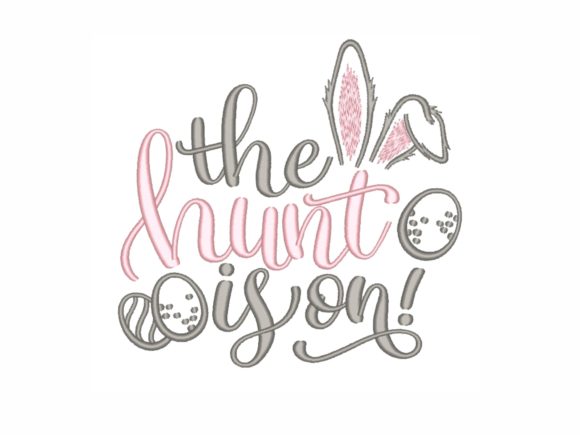
The title The Hunt is on immediately sets a tone of excitement and playfulness. It feels modern yet rustic enough to fit into farmhouse aesthetics that are so popular right now. For a craft fair seller, this versatility is gold. The design does not feel overly delicate or fragile; instead, it has a boldness that suggests it can handle being a focal point on larger items.
When you imagine this design on a neutral linen tea towel or a denim tote bag, it stands out without screaming for attention. It strikes that perfect balance between festive and functional. This is crucial because customers at a weekend market often buy items they plan to use daily, not just once a year. If the design feels too "holiday-specific," it limits the buyer's imagination. However, the playful nature of The Hunt is on makes it feel like a statement piece that celebrates spring without feeling dated after April 1st.
Product Placement: Where It Shines
To truly understand the selling power of this machine embroidery design, we have to look at where it fits best in a product line. Based on the description and typical market trends, here is how I would prioritize my production:
- Tote Bag Design: This is likely the highest volume seller. The phrase The Hunt is on pairs perfectly with a sturdy canvas tote. Customers love carrying their groceries or books in something that looks cheerful. The design works well as a large central motif or a repeated pattern along the side of the bag.
- Apron Embroidery: For the home cook or gardener, an apron featuring this design adds a personal touch. It transforms a standard kitchen tool into a giftable item. The text is easy to read even when someone is wearing it, which helps with brand visibility if the wearer goes to another event.
- Tea Towel Embroidery: Linen or cotton tea towels are a staple at craft fairs. This design provides a nice contrast against the texture of the fabric. It acts as a decorative accent that elevates a simple kitchen utility item into a premium gift.
- Embroidered Patch: If your setup allows for appliqué or patch creation, this design could be cut out and sewn onto hats or jackets. It creates a detachable element that appeals to younger buyers who want to customize their gear.
- Fabric Pouches and Pillow Covers: Smaller items like drawstring pouches for storing yarn or small pillow covers benefit from the compact nature of the design. They serve as excellent impulse buys for shoppers browsing your table.
Production Practicality and Batch Selling
For any Etsy seller or boutique maker, efficiency is key. You need designs that allow for batch production without sacrificing quality. The Hunt is on appears to be designed with clarity in mind, which is essential for quick stitching. If the stitch density is too high, the fabric might pucker, especially on thin materials. However, if the spacing is balanced, it will run smoothly through the machine.
Photographing these items for online listings is also a major factor. A design that looks good in person must photograph well under natural light. The playful font style should capture the eye in a grid layout on an Etsy shop. When creating printable mockups, ensure the thread colors pop against the background fabric. This visual consistency builds trust with buyers who cannot touch the product before purchasing.
Real-World Booth Display Strategy
Imagine setting up your booth. You want customers to stop and engage. Hanging a few aprons and displaying tote bags with The Hunt is on prominently creates a cohesive theme. It tells a story of spring preparation and fun. When a customer asks, "What is that?" you can explain the design concept, making the sale feel personal. This engagement is what turns browsers into buyers.
Careful Use Notes and Technical Considerations
While the design looks promising, there are technical aspects every professional needs to verify before mass producing. Not all embroidery files are created equal, and knowing the limitations is part of the job.
- Dense Stitch Areas: Check the file for areas where stitches might overlap too much. High density can make the fabric stiff, which is undesirable for soft items like pillow covers or lightweight tees.
- Small Details and Lettering: Ensure the lettering remains legible when digitized for smaller items like caps or patches. Tiny details can get lost if the hoop size is too small or if the fabric texture is too rough.
- Thread Contrast: The success of this design relies heavily on color choice. On dark fabrics, you may need a backing stabilizer or specific thread types to prevent the design from disappearing into the material.
- Fabric Texture: Textured towels or thick denim can hide the intricacies of the design. Always test on the actual fabric you intend to sell to see how the texture interacts with the stitches.
- Curved Surfaces: Embroidering on caps requires a curved hoop. Make sure the design is scalable and adaptable to the curvature of the hat so it doesn't look distorted.
Designer's Checklist for Success
Before you rush to print labels and pack boxes, follow these essential steps to ensure your The Hunt is on products are top-tier commercial embroidery pieces.
First, always test the design on scrap fabric. This simple step saves hours of rework. Check the thread contrast by holding the sample up to the light. Review the spacing to ensure no elements are too close to the edge, which could cause tearing during washing. Confirm the hoop size matches your intended product dimensions.
Inspect the stitch density closely. If it feels too heavy, consider adjusting the settings or using a lighter weight stabilizer. Create at least one real mockup to photograph for your Etsy listings; stock photos never convey the true quality of handmade goods. Compare different fabric colors to find the most appealing combinations for your target audience.
Finally, and perhaps most importantly, confirm the commercial licensing terms. Just because you bought the digital embroidery file does not automatically grant you the right to sell the finished physical products. Read the license agreement carefully to protect your business and respect the designer's rights.
Conclusion
The Hunt is on is more than just a seasonal greeting; it is a versatile asset for any creative entrepreneur. With the right execution, it can transform simple fabrics into sought-after craft fair products. By paying attention to the technical details and understanding the visual appeal, you can turn this playful design into a profitable addition to your handmade collection.
Whether you are a seasoned pro or a new Etsy seller, taking the time to evaluate the design ensures that your final product meets the high standards your customers expect. So, load up your hoops, pick your favorite thread colors, and get ready to bring some springtime fun to your market booth.