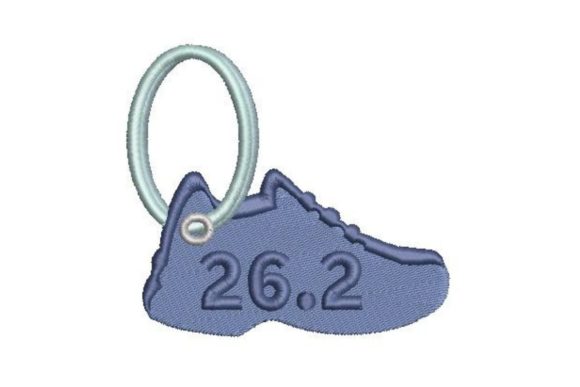
Runner Keychain Embroidery Design Review
A First Glance at Runner Keychain
When I first laid eyes on the Runner Keychain machine embroidery design, it immediately struck me as a bold yet balanced piece. The imagery of a running figure is dynamic, and the way it's stylized gives off a sense of energy and motion. It’s not overly complex, which makes it versatile for different applications, but it still carries enough detail to stand out on fabric.
The design has a clean layout with a focus on the runner’s posture and movement. The use of satin stitch along the edges adds definition without overwhelming the overall composition. The level of detail feels just right—enough to convey the theme without making the design too intricate for everyday use.
Real-Life Use: Custom Sweatshirt Embroidery
I decided to test Runner Keychain on a custom sweatshirt for a client who wanted something sporty but not too flashy. The goal was to create a personalized gift that felt both professional and approachable. After placing the design on a medium-weight cotton sweatshirt, the results were promising.
The Runner Keychain embroidered seamlessly onto the fabric, maintaining its visual appeal even from a distance. The stitching held up well under the fabric’s texture, and the contrast between the thread colors and the shirt’s base color made the design pop. It added a nice touch of personality without overpowering the garment.
This kind of design would be perfect for custom apparel, sweatshirt embroidery, or even holiday gifts. It could also work well as an embroidered patch for jackets or backpacks, especially if paired with other complementary designs.
Where to Use with Caution
While Runner Keychain is a strong design, there are a few scenarios where it might need some extra attention. For instance, when using it on small hoop sizes, you’ll need to ensure the design scales down properly without losing clarity. Also, if you're working with textured fabrics or thin fabric, it’s crucial to use the right stabilizer to prevent puckering or distortion.
Stretchy fabric like knits can be tricky because the embroidery may pull or shift slightly. In these cases, testing the design on a scrap piece of fabric first is always a good idea. Similarly, if you plan to place it on dark fabric, make sure the thread colors have enough contrast to remain visible.
For curved surfaces like caps or hats, the design should be adjusted or tested in a printable mockup to see how it behaves around curves. Lastly, tiny lettering or dense stitch areas should be reviewed closely to avoid any potential issues during the embroidery process.
Visual Appeal and Practical Value
The Runner Keychain brings a unique flair to any handmade product or personalized gift. Its visual appeal helps elevate the finished product, making it more attractive to customers. Whether you’re an Etsy seller or a craft business owner, this design can add value to your listings and help build brand consistency across your items.
From a customer perspective, the design feels professional and recognizable. It speaks to a love for sports without being too loud or generic. This makes it ideal for small shop products or boutique branding, especially if you're targeting active lifestyles or fitness enthusiasts.
As a designer, I also appreciate how it can be used in various embroidery projects, from tote bag design to nursery decor. The versatility of the machine embroidery design means it can fit into multiple niches while maintaining its core identity.
Embroidery Designer Notes
Before diving into a large project with Runner Keychain, here are a few practical tips:
- Test on scrap fabric: Always do a test run to see how the design behaves with your specific fabric type and thread colors.
- Check thread color contrast: Make sure the colors used will stand out against the background fabric.
- Review stitch density: Ensure the design isn’t too dense for the fabric you're using, especially if it’s thin or stretchy.
- Confirm hoop size: Choose a hoop size that allows the design to be stitched cleanly without stretching.
- Inspect small details: Look closely at corners and lines to ensure they stitch correctly.
- Use black and white mockups: This helps you see how the design will look on different fabric backgrounds.
- Use proper stabilizer: Especially important for delicate or stretchy materials.
- Check licensing: Before selling any finished items or digital products, confirm the rights you have to use the design commercially.
By taking these steps, you can ensure that Runner Keychain performs well in real-world embroidery situations and meets the expectations of your customers or clients.
Whether you're creating commercial embroidery pieces or personal handmade projects, the Runner Keychain offers a solid foundation for adding a touch of motion and passion to your work. Just remember to test, adjust, and tailor it to your specific needs for the best results.