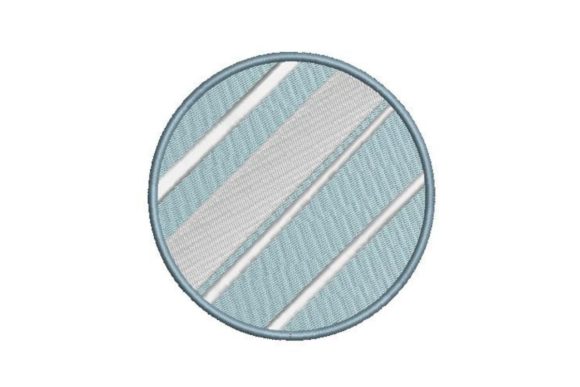
Review: Mirror Mockup for Small Business Merch
As a professional embroidery designer who has spent years crafting designs for boutique brands, handmade shops, and commercial apparel decorators, I approach every new digital asset with a critical eye. When evaluating a machine embroidery design like Mirror Mockup, I am not just looking at the aesthetic; I am analyzing its viability as a business tool. The product description invites us to "Let the weekend begin with your favorite hobby" and encourages creators to be "proud of your artwork." While this tone is welcoming, for a small business owner or Etsy seller, the question remains: does this design possess the professional durability required for branded merchandise?
In the world of small business merch, every stitch counts toward brand identity. This review examines how Mirror Mockup performs when transitioned from a digital file to a physical asset on staff uniforms, caps, tote bags, and embroidered patches.
First Impressions: A Friendly Professional Touch
The title Mirror Mockup suggests a reflective quality, implying a design that might feature symmetry, shine, or a polished finish. Combined with the description's emphasis on pride in one's artwork, the design likely leans towards a modern yet classic aesthetic. It feels suitable for creative studios, bakeries, florists, or pet brands that want to project a sense of craftsmanship without appearing overly corporate.
For a brand identity, the visual personality of the design must strike a balance between playful and premium. If the design is too intricate, it may lose detail when reduced to a patch size. If it is too simple, it might fail to convey the value of a handmade product. Based on the "favorite hobby" theme, Mirror Mockup appears designed to resonate with crafters and artisans, making it an excellent candidate for custom apparel that celebrates creativity.
Real-World Application: From Digital File to Physical Product
The true test of any embroidery file lies in its execution across various substrates. Let's imagine a scenario where a local café or a boutique wants to use this design for their team and customer gifts.
Embroidered Patches and Branding Assets
One of the most common requests from clients is for durable embroidered patches. Mirror Mockup could serve as a perfect chest logo accent or a sleeve detail for work shirts. However, the success of this application depends heavily on the stitch density and outline clarity. If the design features fine lines, they must hold up during the trimming process. For a pet brand or a bakery, a high-quality patch adds a layer of professionalism that elevates the perceived value of the finished product.
Apparel and Accessories
Consider the versatility of Mirror Mockup on apron embroidery for a coffee shop or cap embroidery for a summer festival. The design needs to sit well on curved surfaces like hats and withstand the friction of daily wear. As a digital embroidery file, it promises multiple formats, which is crucial for compatibility with different industrial machines used by apparel decorators. Whether placed on a tote bag design or a product label, the design should maintain its integrity without pilling or distorting the fabric texture.
Commercial Embroidery Projects
For Etsy sellers and product designers, speed and consistency are key. Using a pre-designed asset like Mirror Mockup can streamline production for event merch or customer gifts. It allows businesses to focus on marketing while ensuring their design assets look cohesive across all touchpoints, from packaging accents to printed mockups.
Strategic Considerations and Limitations
While the potential is high, there are specific scenarios where Mirror Mockup requires careful evaluation before committing to a large production run.
- Small Patch Sizes: If you plan to create miniature patches for keychains or small garment tags, ensure the design does not contain tiny lettering or complex details that will blur together. High stitch density in small areas can cause fabric puckering.
- Curved Surfaces: Cap embroidery presents unique challenges. Designs with wide horizontal spans may distort on the front curve of a hat. Test the design on a sample cap to see if the "Mirror" aspect holds its shape.
- Fabric Texture and Color: Dark uniforms require high contrast thread colors to make the design pop. If the design relies on subtle shading, it may get lost on black denim or navy aprons. Always check thread color contrast before finalizing the order.
- Wash Durability: Items that need frequent washing, such as chef aprons or work shirts, demand robust stitching. Ensure the design uses satin stitches effectively to prevent fraying over time.
Impact on Brand Identity and Customer Trust
Quality embroidery is a tangible representation of a brand's commitment to excellence. A poorly executed finished product can erode customer trust, whereas a crisp, well-placed design enhances visual consistency.
When customers receive a tote bag or a piece of handmade product featuring a clean, professional logo, it signals that the business cares about details. Mirror Mockup, if executed correctly, can boost buyer engagement by creating a memorable visual anchor. It transforms a generic item into a branded experience, fostering recognition and loyalty among repeat buyers.
Practical Designer Notes for Production
Before integrating Mirror Mockup into your commercial workflow, I recommend following these essential steps to ensure a flawless result:
- Test in Black and White: Convert the design to grayscale first to verify that the composition works without relying on specific thread colors.
- Check Stitch Density: Review the file settings to ensure the density is appropriate for the intended fabric. Too much thread can damage delicate materials, while too little may leave gaps.
- Inspect Spacing and Hoop Size: Confirm that the hoop size accommodates the design without cutting off edges. Proper spacing is vital for stabilizer placement and overall stability.
- Test on Real Fabric: Never embroider directly onto the final product without a test run. Use scrap fabric to check for puckering, thread breaks, and tension issues.
- Create a Mockup for Client Approval: Use a printable mockup to visualize the design on the actual garment before stitching. This helps manage client expectations and ensures the design fits the intended location.
- Verify Commercial Licensing: Most importantly, confirm the commercial licensing terms. Ensure you have the right to sell products featuring this machine embroidery design on platforms like Etsy or in physical retail stores.
By taking these precautions, you can maximize the value of Mirror Mockup as a versatile tool for your business. Whether you are decorating tote bag designs for a craft fair or creating custom uniforms for a creative studio, attention to detail is what separates a good brand from a great one.
Ultimately, Mirror Mockup offers a promising foundation for small business owners looking to expand their product designers portfolio. With the right preparation and technical knowledge, it can become a staple in your collection of embroidery file assets, helping you deliver high-quality, professional results that your customers will love.