Flying Cute Butterfly Review for Real Projects
As an experienced embroidery designer who frequently navigates the vast landscape of digital design assets, I recently evaluated a specific product from Creative Fabrica to see if it truly holds up under the pressure of real-world commercial use. The item in question is the Flying Cute Butterfly, categorized under Bugs and Embroidery. Before committing to a customer order or adding it to my own shop's inventory, I needed to understand not just how it looks on a screen, but how it performs when stitched into fabric. This review breaks down the practical application of this machine embroidery design for designers, Etsy sellers, and small business owners.
First Impressions: Visual Mood and Design Personality
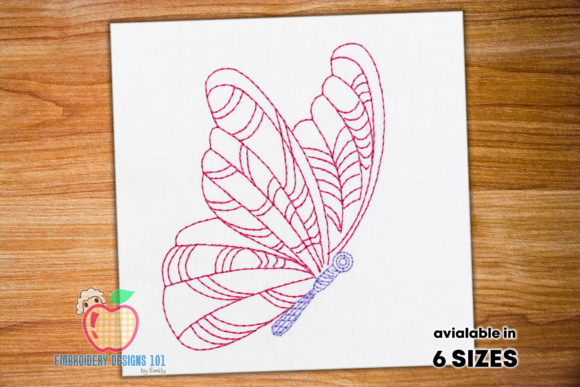
The moment I opened the file for Flying Cute Butterfly, the visual mood was immediately apparent. It is described as delicate and beautifully intricate, and that description holds true when viewed in digitizing software. Unlike many generic bug designs that can appear blocky or overly simplified, this piece carries a sense of movement. The wings seem to catch the light, suggesting a fluttering motion even when static. For a creative entrepreneur looking to add a naturally attractive accent to their projects, this design offers a sophisticated touch rather than a cartoonish one.
The stitch personality here is key. It appears to rely heavily on satin stitches for the wing outlines, which should provide a smooth, raised texture, while fill stitches likely make up the body and inner wing details. This combination creates a tactile experience that elevates a simple tote bag or baby blanket into something special. When placed on a project, it doesn't scream for attention; instead, it invites the viewer to lean in and appreciate the detail. This subtlety is often what separates mass-produced items from high-end handmade goods.
Real-World Application: From Tote Bags to Nursery Decor
I considered several scenarios where this embroidery file could shine. The versatility of Flying Cute Butterfly makes it suitable for a wide array of products. For the custom apparel market, it would look stunning on a sweatshirt embroidery project, perhaps positioned over the heart or on the back yoke. The delicate nature of the butterfly pairs well with soft cotton blends often used in loungewear.
In the realm of home decor, the design fits perfectly into nursery decor themes. A pillow cover featuring this motif could serve as a centerpiece for a woodland-themed room. Similarly, for kitchen enthusiasts, an embroidered patch or direct stitching on a kitchen towel adds a whimsical yet elegant flair. I also envision this being used for aprons, where a central placement of the butterfly adds a pop of color without overwhelming the garment.
For those selling on platforms like Etsy or at craft fairs, this design has strong potential for giftability. A personalized gift featuring a cute butterfly is always a winner for birthdays or baby showers. The design works well for seasonal handmade gifts, particularly in spring and summer months. Furthermore, creating printable mockups with this asset allows digital product sellers to showcase their services effectively, giving clients a clear vision of the finished product before production begins.
Practical Considerations for Stitching Success
While the visual appeal is undeniable, the true test of any machine embroidery design lies in its execution. As a professional, I must advise caution regarding specific technical challenges. If you are planning to use this on curved cap surfaces, be mindful of the hoop size and the curvature of the hat. Designs with intricate details can sometimes distort on highly curved areas if not hooped correctly.
Stitch density is another critical factor. While the description mentions "delicate" work, dense stitch areas can sometimes cause puckering, especially on stretchy fabrics like jersey or thin knits. To ensure a clean finish, using the proper stabilizer is non-negotiable. For lightweight fabrics, a cut-away stabilizer might be necessary to support the weight of the stitches, whereas tear-away could suffice for heavier materials like canvas or denim.
Thread colors play a massive role in the final outcome. On dark fabric, the contrast needs to be sharp to maintain the visibility of the intricate details. If the butterfly relies on fine lines, they might get lost against a black background unless lighter threads are used strategically. Conversely, on light fabrics, the design pops beautifully. I strongly recommend testing on scrap fabric first to confirm thread color contrast and to inspect small details after stitching. This step ensures that no tiny elements have been lost during the sewing process.
Impact on Product Value and Brand Consistency
Using a high-quality design like Flying Cute Butterfly directly influences buyer trust and perceived value. In the competitive world of handmade products, customers are willing to pay a premium for items that show attention to detail. A poorly executed embroidery job can ruin the presentation of an otherwise beautiful product, but a crisp, well-stitched butterfly signals quality craftsmanship.
This design supports brand consistency by offering a cohesive aesthetic. Whether you are building a boutique merchandise line or selling custom apparel, having a signature style helps customers recognize your work. The natural beauty of the butterfly theme aligns well with brands focused on nature, wellness, or children's products. Additionally, for product photography, a well-executed embroidery design catches the light and shadows beautifully, making the images more engaging and driving higher customer engagement online.
Essential Checklist for Commercial Use
Before incorporating this digital embroidery file into your commercial inventory, there are several practical steps to take. First, verify the file details and licensing on the Creative Fabrica product page. Understanding the terms of use is crucial for protecting your business and ensuring you are compliant when selling finished items.
Here is a quick checklist for integrating this design:
- Test on Scrap Fabric: Always run a test stitch-out to check for tension issues and fabric distortion.
- Review Stitch Density: Ensure the fill stitches are not too heavy for the intended fabric type.
- Confirm Hoop Size: Make sure your machine hoop can accommodate the design dimensions without cutting off details.
- Inspect Small Details: Zoom in on the digitized version to ensure tiny running stitches or fine lines are present and will hold up.
- Check Thread Colors: Compare light and dark fabric mockups to visualize the final look.
- Select Proper Stabilizer: Choose the right backing to prevent puckering on the finished product.
By following these guidelines, you can transform a simple digital asset into a premium handmade product. The Flying Cute Butterfly offers a balance of charm and intricacy that serves both decorative and commercial purposes effectively. Whether you are creating a unique embroidered patch for a jacket or a lovely accent for a baby blanket, this design provides a solid foundation for your next creative venture. Ultimately, the success of your project depends on the care you take in preparation and execution, ensuring that every stitch contributes to a masterpiece.