Brown Fall Leaf Design Review
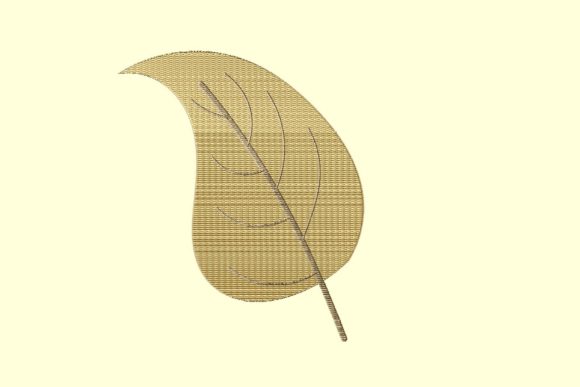
As an experienced embroidery designer who has spent years crafting assets for small businesses, I know that selecting the right design is about more than just aesthetics. It is a strategic decision that impacts brand identity, production costs, and customer perception. Today, I am reviewing a specific asset titled Brown Fall Leaf. This machine embroidery design promises to add a lovely autumnal feel to clothing, home decor, and various branded items. But does it hold up under the scrutiny of commercial production? Is it suitable for creating embroidered patches, staff uniforms, or high-end boutique merchandise?
When we first look at the concept of Brown Fall Leaf, the immediate impression is one of rustic warmth. For small business owners looking to capitalize on seasonal trends without sacrificing professionalism, this design offers a grounded, organic vibe. Unlike overly stylized graphics that might look cheap when digitized, a leaf motif often translates well into thread because it mimics natural textures. If your brand relies on handmade product presentation, this design could serve as a perfect accent for tote bag designs, apron embroidery, or cap embroidery.
Real-World Application for Small Business Merch
The true test of any digital embroidery file lies in its application across different mediums. Let us imagine a scenario where a local coffee shop or a boutique bakery wants to launch fall-themed merchandise. They need something that feels cohesive with their brand but distinct enough to stand out on a shelf. The Brown Fall Leaf design fits this niche perfectly.
- Embroidered Patches: One of the most popular uses for this type of design is creating custom patches. A brown leaf works exceptionally well as a chest logo accent or a sleeve detail. When applied to denim jackets or canvas bags, it adds a touch of artisanal quality that customers associate with premium brands.
- Staff Uniforms and Aprons: For a florist or a farm-to-table restaurant, this design can be used on apron embroidery. It signals to the customer that the staff takes pride in their craft. The earthy tones blend seamlessly with navy, charcoal, or cream-colored work shirts, maintaining a professional appearance while celebrating the season.
- Tote Bag Design: Canvas totes are a staple for Etsy sellers and craft business assets. The Brown Fall Leaf can be placed centrally or repeated as a pattern along the side of the bag. It serves as a subtle branding element that encourages customers to carry your message through town.
- Cap Embroidery: Curved surfaces like caps present a challenge for many designs. However, a simple leaf shape often flows well over the curve of a hat front. It acts as a memorable mark that reinforces brand recognition every time a customer sees someone wearing your gear.
Evaluating Brand Identity and Customer Trust
In the world of commercial embroidery, visual consistency is key to building buyer engagement. When a customer receives a product with a high-quality finish, their trust in the brand increases. The Brown Fall Leaf design, if executed correctly, elevates the perceived value of the finished product. It moves the item from being a generic commodity to a curated piece of merchandise.
For handmade brands, this design supports a narrative of authenticity. It suggests that the business cares about details and seasonal relevance. Whether it is used on product packaging accents or as part of a customer gift set, the design helps create a cohesive visual language. However, designers must be careful not to let the design become too decorative at the expense of legibility or brand clarity. The goal is to enhance the brand identity, not distract from it.
Strategic Considerations and Potential Pitfalls
While the potential is high, there are areas where the Brown Fall Leaf design requires careful management. Not every surface is suitable for every embroidery file. Understanding these limitations is crucial for avoiding costly production errors.
- Small Patch Sizes: If you plan to use this design for tiny patch sizes, you must verify the stitch density. Fine details in a leaf vein structure can disappear or merge together if the design is scaled down too much. Always check if the design remains clear at the intended size before mass production.
- Curved Surfaces and Caps: As mentioned, caps are tricky. The curvature can distort the spacing of the stitches. If the design has detailed outlines, they may pucker on a tight curve. Test the design on a sample cap before committing to a large order.
- Fabric Texture and Dark Uniforms: The description mentions adding an autumnal feel to clothing, but the contrast matters. On dark uniforms, a standard brown thread might lack visibility. You may need to adjust the thread colors or use a lighter underlay to ensure the design pops against the fabric texture.
- High Stitch Density: Designs with high stitch counts take longer to produce and can make the fabric stiff. If this design is intended for delicate fabrics like bedsheets or thin curtains, excessive density could cause puckering. Ensure the stabilizer choice matches the fabric weight to maintain a clean finish.
Practical Notes for the Professional Designer
Before integrating Brown Fall Leaf into your commercial workflow, follow these essential steps to ensure a successful outcome. These notes are derived from years of experience managing digital embroidery files for clients.
Test First: Never assume a design will work perfectly on the final material. Create a printable mockup for client approval and then run a physical test on the actual fabric. Check the hoop size to ensure the design fits within the available space without cutting off critical elements.
Thread Color Contrast: Review the thread colors carefully. Does the brown leaf stand out against the background color? If the contrast is low, consider using a slightly darker or lighter shade to improve definition. Proper contrast ensures the design is visible and legible from a distance.
Stabilizer and Spacing: Inspect the spacing between stitches. Adequate spacing prevents the fabric from pulling and distorting. Use the proper stabilizer for the specific fabric texture; a heavy-duty cut-away might be needed for denim, while a tear-away could suffice for lightweight cotton.
Licensing and Commercial Use: Before using this design for branded merchandise, confirm the commercial licensing terms. Just because a design is available for purchase does not automatically grant the right to resell products featuring it. Ensure you have the necessary permissions to use the embroidery file for commercial projects.
Comparison and Mockups: Compare this design beside other design assets in your library. Does it fit the overall aesthetic? Create a mockup showing how it looks on a tote bag, an apron, and a cap simultaneously. This helps visualize the versatility of the Brown Fall Leaf as a multi-use asset.
Final Thoughts on Production Value
The Brown Fall Leaf design represents a solid opportunity for small business merch creators looking to add seasonal flair to their inventory. Its rustic charm aligns well with the growing demand for handmade product aesthetics and authentic brand stories. From embroidered patches that signal quality to cap embroidery that builds community, this design has the potential to become a versatile staple in your collection.
However, success depends on execution. By paying attention to stitch density, thread selection, and fabric compatibility, you can transform a simple digital file into a high-value finished product. Remember to test rigorously, respect the technical limitations of embroidery, and always prioritize the brand identity you are trying to convey. With the right approach, Brown Fall Leaf can be more than just a decoration; it can be a powerful tool for business growth and customer connection.